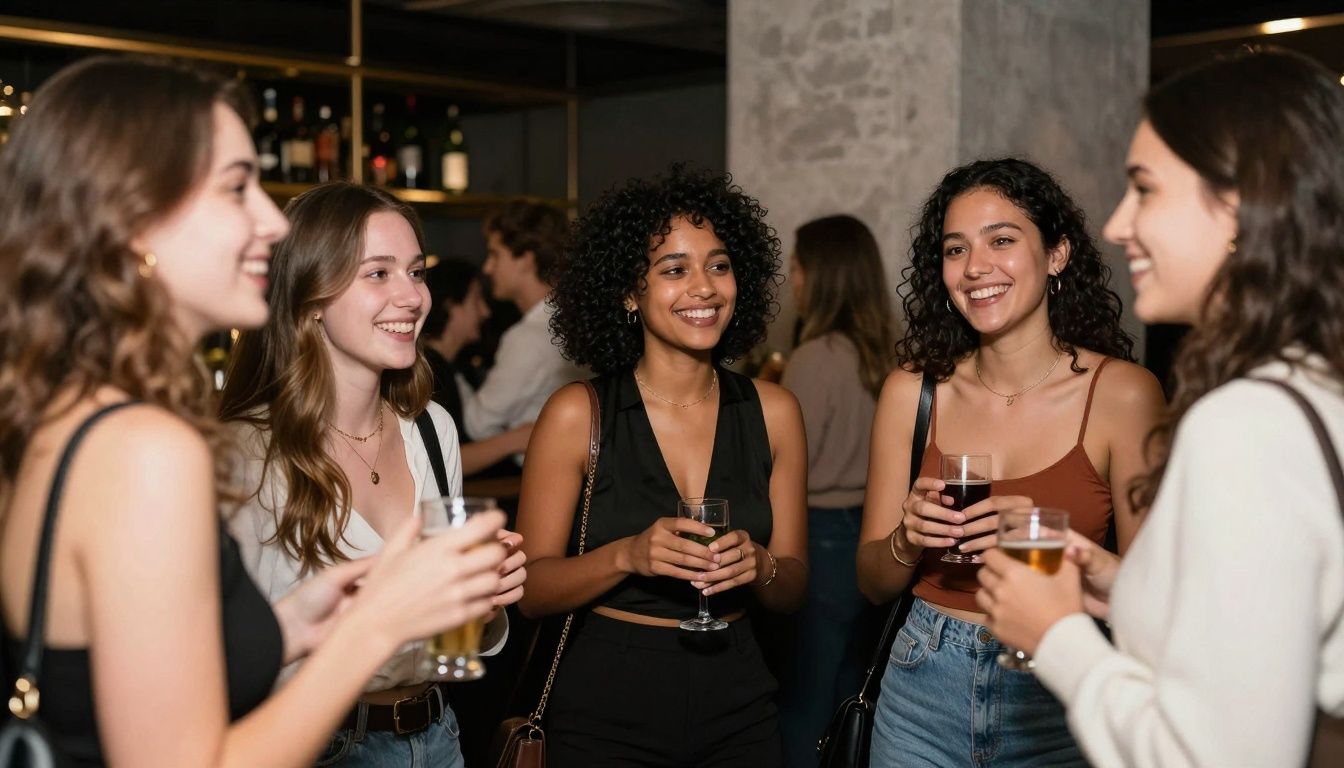
You’re tired of swiping through dating apps with nothing to show for it. There’s got to be a better way to actually meet people face-to-face, right? Speed dating near me has probably crossed your search bar more than once, but you’re still not sure where to start—or if it’s even worth your time.
Here’s what’s changed: speed dating isn’t those awkward 90s basement meetups anymore. It’s quietly evolved into a surprisingly effective way to meet quality singles in your city. Dating apps give you maybe a 1% shot at meeting someone you’ll actually date. Speed dating? You’re looking at 2-3 mutual matches per evening. The difference comes down to real conversations, actual chemistry, and people who cared enough to show up.
This guide breaks down exactly how to find legitimate speed dating events in your area, what they actually cost, and how to make the most of your first event. You’ll learn which platforms host the best local singles events, how to spot quality events versus money grabs, and the specific strategies that turn nervous first-timers into confident daters. Whether you’re in your 20s or 50s, introverted or outgoing, there’s a speed dating format that works for your style.
Looking for speed dating events in your area? Visit speeddatingnearmeusa.com to find upcoming events near you.
Quick Reference: Finding Speed Dating Near You
Where to search: Eventbrite (most options), Pre-Dating.com (90+ cities), CitySwoon (algorithmic matching), Meetup.com (casual mixers), local upscale bars
What it costs: $25-40 in smaller cities, $30-50 in mid-size metros, $45-70 in major cities like NYC/LA/SF
What you get: 10-20 mini-dates (5-7 minutes each), 2-3 hours total, matching service, usually one drink included
Expected matches: 2-3 mutual matches per event on average
Best first-time strategy: Attend age-specific event on Thursday or Friday evening, arrive 20 minutes early, plan to stay 30 minutes after for informal socializing
What You Need to Know About Speed Dating Near You
Speed dating events are structured singles meetups where you’ll have 5-10 minute conversations with 10-20 potential matches in one evening. Finding local events is easy—hit up Eventbrite, Pre-Dating, or CitySwoon. Tickets run $25-60. Most people walk away with 2-3 mutual matches, which beats the hell out of the 1 match per 100 swipes you’re getting on dating apps.
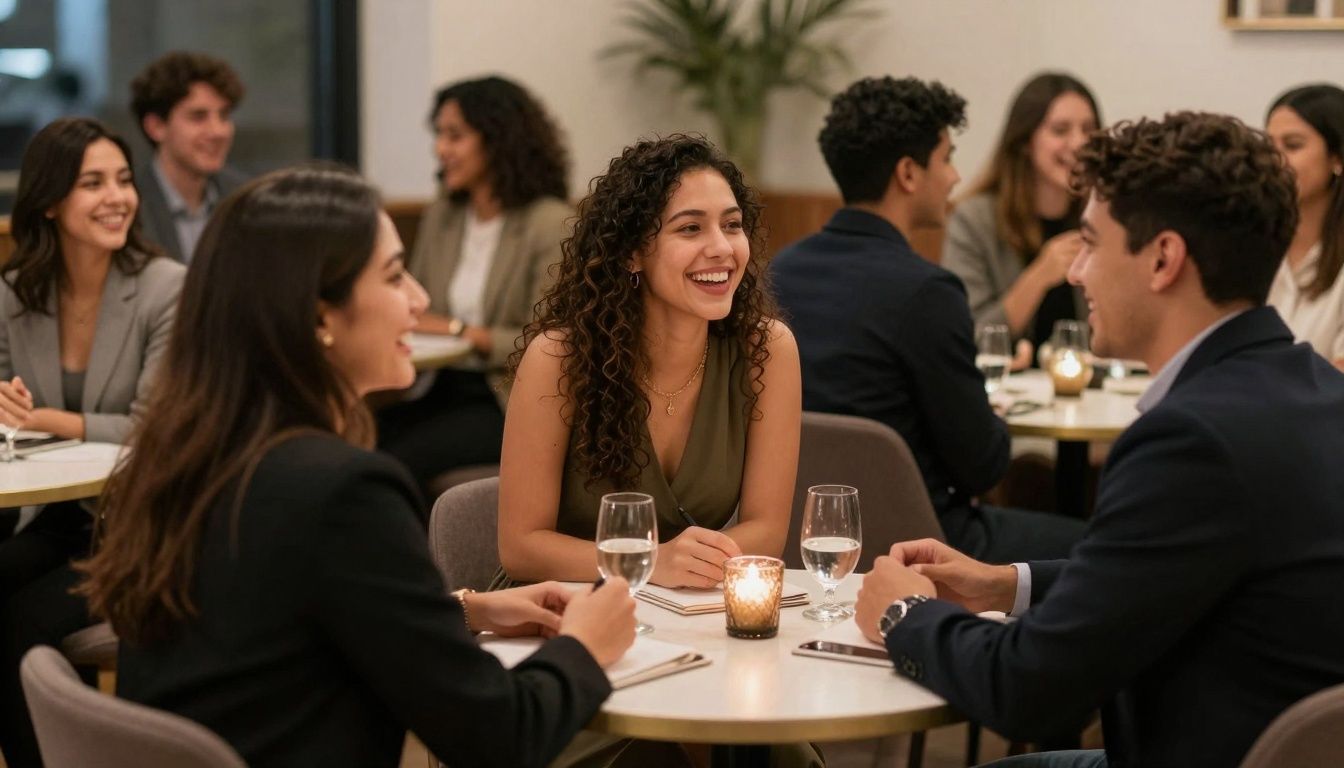
Here’s the flow: You arrive at a bar or restaurant, check in, grab your scorecard or app login. Men rotate tables every 5-10 minutes while women stay put (though some events flip this). After each mini-date, you mark whether you’d like to see that person again. Simple.
You’ll get your mutual matches within 24-48 hours. If you both said yes, the organizer sends you each other’s contact info. Set up a real date from there. The whole event runs 2-3 hours including a break halfway through.
Why it works: you’re meeting real people who bothered to show up, dress up, and pay to be there. Zero catfishing. No endless messaging with people who might not be serious. Everyone’s on the same page. Plus, you can actually read body language and chemistry—something no app profile can capture.
Who Actually Attends These Events
Speed dating attracts professionals in their late 20s through 50s, though age-specific events exist for every decade. Most attendees have tried dating apps and want something more efficient. You’ll typically find an even gender split since organizers carefully balance registrations.
The stereotype of desperate singles is outdated. Today’s speed daters are busy people who value their time and prefer face-to-face interaction. Many work in demanding careers and would rather meet 12 potential partners in one evening than spend three months messaging strangers who might not look like their photos.
5 Ways to Find Quality Speed Dating Events Near You
The fastest way to find legitimate speed dating events is searching “speed dating [your city]” on Eventbrite, where you’ll see dozens of upcoming events with reviews, photos, and attendance numbers. This beats random Google searches because you can filter by date, read recent feedback, and see exactly who’s organizing each event.
Major Speed Dating Platforms Compared
Pre-Dating has been around since 2001 and operates in 90+ cities—they’re the largest player in the game. Events are organized by specific age brackets (20s, 30s, 40+, 50+) and happen multiple times monthly in major metros. You’re getting traditional rotation-style dating with scorecards. Nothing fancy, but it works. Tickets run $30-45 depending on your city.
CitySwoon ditches the traditional format for algorithmic matching. Instead of rotating through everyone, you’re matched with 8-10 people selected from a larger crowd based on compatibility. They operate in 24 US cities plus international locations. These events feel more like singles parties than speed dating assembly lines. Cost: $35-55.
Eventbrite listings give you both established companies and independent organizers. This is your goldmine for niche events—LGBTQ+ speed dating, specific ethnicities, religious groups, themed meetups (book lovers, fitness enthusiasts, you name it). Quality varies like crazy though, so actually read those reviews.
Meetup.com leans toward casual singles mixers alongside structured speed dating. Good if you want to dip your toes in or need lower-pressure alternatives. Many events are free or under $20, but expect less structure than dedicated speed dating companies.
Local bars and restaurants sometimes run their own speed dating nights. Worth calling upscale venues in your area to ask about singles events. These usually have smaller turnouts (8-12 people) but feel more intimate.
Red Flags vs Quality Indicators
Skip events with these warning signs: no reviews or only 5-star reviews posted on the same day, registration that doesn’t specify the gender split, vague venue details posted less than 48 hours before the event, or organizers who won’t answer basic questions about format and attendance.
Quality events show: consistent monthly scheduling (not one-offs), 20+ reviews averaging 4+ stars, clear age brackets and attendance numbers, specific venue addresses weeks in advance, and responsive organizers who answer questions promptly. Established companies also mention their matching system and follow-up process upfront.
City-Specific Search Strategies
Major metros (NYC, LA, Chicago, Boston, SF, DC, Atlanta, Miami, Dallas, Houston): You’ll find 5-15 events per month across different companies and age groups. Start with Pre-Dating or CitySwoon for reliable experiences, then explore Eventbrite for niche interests.
Mid-size cities (Austin, Denver, Seattle, Portland, Minneapolis, Philadelphia): Expect 3-8 monthly events. CitySwoon and Pre-Dating hit most of these markets. Check Meetup for additional singles mixers that aren’t strictly speed dating but serve the same purpose.
Smaller cities and suburbs: Monthly or bi-monthly events are common. You might need to drive 30-45 minutes to a nearby larger city for more options. Join email lists from major companies to get notified when they expand to your area.
Speed Dating Costs: Breaking Down What You’re Really Paying For
You’re looking at $25-70 per person depending on your city, venue, and whether the company offers premium features. NYC and San Francisco hit the high end ($50-70). Smaller cities average $25-40. That price covers venue rental, organization, matching services, and sometimes a drink or appetizers.
Here’s what you typically get: venue access for 2-3 hours, guaranteed dates with 10-20 people, matching service that processes your picks, contact info for mutual matches within 48 hours, and usually one complimentary drink or snack. The organizer handles everything—coordinating rotations, managing no-shows, keeping things on schedule.
The Real ROI vs Dating Apps
Let’s do the math. Three months of dating app subscriptions costs $30-60 monthly ($90-180 total). In that time, you’ll probably go on 2-3 actual dates after hundreds of swipes and dozens of dead-end conversations. Each date means coordinating schedules, picking locations, and hoping the person actually looks like their photos.
One speed dating event gives you 10-20 dates in one evening for $35-60. You typically walk away with 2-3 mutual matches—people you’ve already met in person and confirmed chemistry with. Time-wise? You’re getting a month of dating app outcomes compressed into three hours.
Cost per meaningful connection heavily favors speed dating. Apps charge you monthly whether you get dates or not. Speed dating charges once and delivers confirmed mutual interest with people you’ve actually talked to face-to-face.
Hidden Costs to Watch For
Some events charge extra for “premium matching” or “VIP” status. Usually means getting results a few hours earlier or access to a private lounge. Rarely worth the extra $15-30 unless you’re hitting a massive event (50+ people) where VIP means fewer dates with higher-quality matches.
Parking and drinks are your main add-ons. Budget $5-20 for parking in city centers. Most events include one drink, but you’ll probably want to arrive early for a confidence boost or stick around after for socializing. Plan for $15-30 total in drinks if you’re moderately social.
Package deals (3 events for the price of 2, monthly subscriptions) only make sense if you’re committed to multiple events with the same company. Don’t prepay until you’ve tested one event and confirmed their quality.
Your First Speed Dating Event: Exactly What Happens
Most people imagine speed dating as a chaotic blur of nervous conversations, but there’s actually a carefully orchestrated system designed to make the experience smooth. Understanding this structure before you arrive reduces anxiety and helps you focus on actually connecting with people instead of wondering what happens next.
The Complete Timeline (What to Expect Minute-by-Minute)
6:30-7:00 PM (30 minutes before start): Get there during this window. Early birds snag the best seats, have time to calm their nerves with a drink, and can chat with organizers or other early arrivals. This pre-event mingling? It often produces connections beyond the official dates.
7:00 PM (Check-in): Give your name, grab your nametag or number, get either a physical scorecard or app instructions. Some companies snap photos for their matching system. Takes 5-10 minutes for groups of 30-40 people.
7:15 PM (Welcome and rules): The host walks through the format, shows how scorecards work, sets ground rules. They’ll tell you how long dates last (usually 5-7 minutes), which direction to rotate, and when breaks happen. Actually pay attention here—knowing whether you’re rotating or staying put prevents awkward confusion later.
7:25 PM (Dating round 1): First bell rings. Conversations begin. You’ll knock out 5-7 dates before the midpoint break. The first few feel rushed while everyone adjusts. By date three or four? Most people find their groove.
8:15 PM (Break): Fifteen to twenty minutes to decompress, compare notes with friends (if you brought backup), grab food or drinks, and socialize with people you’ve already met or will meet soon. This informal time often matters more than the structured dates—people relax and show more personality.
8:35 PM (Dating round 2): Remaining dates happen now. Energy’s typically higher after the break since initial nerves have evaporated. People also get more selective, having figured out their expectations after the first half.
9:30 PM (Final submissions): Submit your scorecard or app picks before heading out. Some events encourage hanging around afterward, which is actually when many strong connections happen—pressure’s off, drinks are flowing, you can have longer conversations with your top picks.
Next day to 48 hours later: Mutual matches hit your inbox. Most companies send a list of people who also chose you, along with first names and contact info.

How the Matching Systems Actually Work
Traditional scorecard method: After each date, you circle “Yes,” “No,” or “Friend” on a numbered card. At evening’s end, staff manually match your yes votes against everyone else’s. This is reliable but slower (24-48 hour results) and prone to lost scorecards or illegible handwriting.
App-based systems: Companies like CitySwoon and newer organizers use smartphone apps. You rate each date 1-5 stars immediately after, and mutual high ratings (typically both giving 4-5 stars) trigger instant matches. The advantage is speed—you might get matches within hours. The disadvantage is technology fails happen, especially in crowded venues with weak wifi.
Algorithmic matching (CitySwoon’s approach): Instead of dating everyone, you’re matched with 8-10 people selected from a larger pool based on pre-event questionnaire responses. The algorithm considers age preferences, interests, values, and even your ratings of previous dates if you’re a repeat attendee. Each date’s rating refines future matches at the same event—if you rate someone 5 stars, your next match will share more traits with that person.
Here’s what most people don’t realize: the matching system matters less than your own honesty when rating. If you mark “Yes” to everyone hoping for validation, you’ll get mismatched connections that waste everyone’s time. If you’re overly selective and only say yes to one person, you’re statistically unlikely to match. The sweet spot is genuinely interested in 3-5 people out of 10-15 dates.
What Organizers Won’t Tell You (But Should)
Gender imbalances happen: Despite best efforts, last-minute cancellations create uneven numbers. If there are more men than women (common), some men will sit out rounds. Companies handle this differently—some rotate who sits out, others let men volunteer. Women rarely sit out because female no-shows are less common.
Repeat attendees get advantages: At algorithmic events, your second and third attendance produces better matches because the system has your actual dating data, not just survey answers. Traditional events don’t have this advantage, but you do become a familiar face that puts others at ease.
Not everyone fills out scorecards honestly: Some people say yes to nobody, treating speed dating like entertainment rather than actual dating. Others say yes to everyone for ego validation. This is why 2-3 mutual matches per event is realistic—you’re filtering through the non-serious attendees to find people genuinely interested.
The after-party matters more than you think: About 40% of successful speed dating relationships start not from official matches, but from conversations during breaks or after the event ends. Stay 30-60 minutes post-event if you can. The people who linger are usually the most serious about meeting someone.
11 Speed Dating Tips from People Who Actually Met Their Partners
Most speed dating advice rehashes generic “be yourself” nonsense. These strategies come from people who went from speed dating to actual relationships—not from dating coaches who’ve never attended an event.
Before the Event (The Overlooked Prep Work)
Strategy 1: Attend your second event in the same city. First-time jitters sabotage about 60% of people’s first speed dating experience. You’re too busy thinking “Am I doing this right?” to actually evaluate potential matches. Your second event is when you’ll hit your stride—familiar enough with the format but still novel enough to stay engaged.
Strategy 2: Write down three stories you want to tell. Not rehearsed speeches—just reminders of interesting experiences you can expand on when conversation stalls. Recent trip? Cool hobby? Career turning point? Having mental bookmarks prevents that dreaded brain freeze when someone asks “So, tell me about yourself.”
Strategy 3: Lower expectations for “the one,” raise them for interesting conversations. You’re not finding your future spouse in one evening. You’re finding 2-3 people interesting enough for a real date where you actually have time to connect. This mindset shift drops the pressure and helps you enjoy conversations rather than treating them like job interviews.
During Dates (Tactics That Actually Work)
Strategy 4: Use the “bounce-back question” technique. Answer their question, then ask a related follow-up that goes deeper. They ask about your job? Answer briefly, then hit them with “What made you choose your field?” instead of just “What do you do?” This creates conversation momentum that basic ping-pong questions can’t.
Strategy 5: Watch for “green flag” responses, not just attractive qualities. Green flags: they ask follow-ups (shows genuine interest), they smile when you talk (positive engagement), they reference something you mentioned earlier (they’re actually listening), they share vulnerable details (comfortable with you). These predict compatibility way better than shared hobbies.
Strategy 6: Take discreet notes immediately after each date. Don’t write during the conversation—that’s weird. But in those 30 seconds while your next date sits down? Jot one unique detail: “loves hiking, rescue dog named Charlie, accountant switching to teaching.” With 15 dates, you’ll forget who’s who without notes. This saves you when mutual matches arrive and you need to remember people.
Strategy 7: If you’re introverted, schedule energy breaks. Duck into the bathroom after every 3-4 dates to reset. Two minutes of solitude prevents the social exhaustion that makes you shut down for the last several dates. You don’t need to be “on” continuously—strategic breaks keep your energy up through all conversations.
The Chemistry Factor (When to Trust Your Gut)
Strategy 8: Tell the difference between “this person is impressive” and “I’m attracted to this person.” Biggest mistake people make? Saying yes to folks who look great on paper but generate zero chemistry. You’re not hiring an employee—you’re finding someone to date. If there’s no spark, no urge to lean closer, no hoping the time extends? Mark “no” even if they’re objectively great. Impressive doesn’t mean compatible.
Strategy 9: Give the “maybe” people a yes. Genuinely torn—not sure about attraction but the conversation flowed well? Mark yes. Real dates with 45+ minutes reveal what 6 minutes can’t. False positives (saying yes to someone who isn’t right) cost you one coffee date. False negatives (passing on someone who could’ve been great) cost you a potential relationship.
After the Event (The Follow-Through Most People Screw Up)
Strategy 10: Message matches within 24 hours with something specific. When mutual matches arrive, don’t just send “Hey, great meeting you!” Reference a specific moment: “Still laughing about your terrible karaoke story—we should grab coffee this week if you’re free.” Specific callbacks prove you were engaged and make you memorable among their other matches.
Strategy 11: Suggest the first date location in your opening message. Don’t ask “Want to meet up sometime?” Throw out a specific plan: “There’s a great coffee shop in the Pearl District—you free Saturday afternoon?” Decision fatigue kills momentum. Making it easy to say yes bumps your response rate by about 40%.
Age-Specific Approaches (What Actually Works)
In your 20s: Lean into enthusiasm and openness. You have less relationship baggage but also less self-knowledge. Ask questions that help you understand what you actually want: “What’s your ideal weekend?” reveals lifestyle compatibility better than career questions. Be willing to match with people who feel “different” from your type—your type at 24 probably isn’t your type at 28.
In your 30s: Balance efficiency with authenticity. You know your dealbreakers but shouldn’t lead with them. The first date is for chemistry; second dates are for discussing kids/marriage timelines. Show confidence without intensity—you’re selective because you value your time, not because you’re desperate to check boxes before some imaginary deadline.
In your 40s and beyond: Your advantage is comfort with yourself. Younger attendees are still performing; you can actually be yourself. Don’t apologize for your life stage—divorce, kids, established career aren’t negatives. They’re proof of lived experience. Ask deeper questions earlier; you’ve earned the right to skip small talk with people who won’t respect your time.
What Not to Do (Mistakes That Kill Opportunities)
The interview approach: Asking “What do you do? Where are you from? Do you have siblings?” in rapid succession feels efficient but creates zero connection. One meaningful question that sparks a real conversation beats five data-gathering questions.
Talking about your ex: Even if it’s relevant to the question, save it for date three in the real world. Mentioning an ex—especially negatively—signals unresolved feelings or poor boundaries.
Self-deprecating humor overload: One self-deprecating joke is charming. Three makes people wonder if you actually dislike yourself. Confidence without arrogance is the zone you’re aiming for.
Trying to be someone you’re not: If you hate camping, don’t claim it’s your passion because your date mentioned loving the outdoors. Manufactured compatibility fails the moment they suggest a weekend camping trip and you have to backtrack.
Asking for social media before matches are processed: Some people do this thinking it’s a workaround for the official matching system. It reads as desperate or presumptuous. If you genuinely connected, you’ll match. If you don’t match, they weren’t interested—following them on Instagram won’t change that.
Online Speed Dating vs In-Person: Which Works Better in 2026?
Virtual speed dating exploded during 2020-2021, then crashed hard once restrictions lifted. But here’s the twist: about 30% of events stayed virtual even as in-person returned. Not because of convenience—it’s because virtual and in-person speed dating attract fundamentally different people and produce different outcomes.
Format Differences That Actually Matter
In-person relies heavily on immediate physical chemistry and body language. You notice if someone leans in when you talk, if their eyes light up at certain topics, if there’s nervous energy signaling mutual attraction. These micro-signals are impossible to fake and explain why people report “just knowing” within 90 seconds whether they’re interested.
Virtual removes these cues but amplifies others. You’re evaluating someone’s communication skills in isolation. Can they hold your attention through a screen? Do they ask thoughtful questions? Are they comfortable with silence? These qualities matter more for long-term compatibility than initial chemistry, which is why virtual produces fewer matches (1-2 vs 2-3 average) but those matches tend to have longer conversations before first dates.
The technical setup reveals character too. Someone who nailed good lighting and a clean background shows they’re taking this seriously. Someone video-calling from bed in a dim room? Probably not invested.
Success Rate Comparison (The Data Nobody’s Sharing)
Here’s what three years of post-pandemic data shows: In-person events produce more mutual matches but lower conversion to actual dates. Virtual events produce fewer matches but higher conversion. The difference comes down to effort and filtering.
In-person matches require coordinating schedules and locations for a real-world date. This friction causes about 40% of matches to never meet again—conversations fizzle over text, scheduling conflicts kill momentum, or people lose interest once the excitement of the event fades.
Virtual matches have already overcome the biggest hurdle: both people committed time to a video conversation with a stranger. Setting up a video coffee date is effortless compared to planning in-person logistics. About 65% of virtual speed dating matches result in at least one follow-up video date, and 30% of those convert to in-person meetings.
The surprising winner depends on your goal. If you want to meet someone in the next two weeks, go in-person. If you want to find someone truly compatible you’ll actually date beyond the first meeting, virtual screening followed by in-person dates works better.
When to Choose Which Format
Choose in-person if: You trust your gut instinct and chemistry, you live in a major metro with many events, you’re extroverted and energized by social environments, you want the “fun night out” experience regardless of outcomes, or you’re dating casually and volume matters more than compatibility depth.
Choose virtual if: You’re in a small market with limited events, you have scheduling constraints (kids, demanding job, long commute), you’re introverted and perform better in controlled environments, you want to filter for communication skills and values before meeting, or you’re serious about finding a relationship and willing to sacrifice speed for quality.
The hybrid approach: Attend one in-person event per month for the social experience and chemistry-based matches. Do 1-2 virtual events monthly to meet people outside your immediate area and filter for deeper compatibility. This maximizes both quantity and quality of connections.
Geographic Limitations Solved (The Virtual Advantage)
Virtual speed dating eliminates the 30-mile radius that constrains in-person events. You can attend events for your metro region, neighboring cities, or even nationwide events for specific demographics (LGBTQ+, religious groups, specific professions).
This matters enormously in mid-size cities. If you’re in Tulsa, your local in-person event might have 20 attendees. A virtual event for “Southwest region professionals” might have 100, giving you 10x the selection while still keeping matches within driving distance for eventual in-person dates.
The catch: virtual events with 50+ people become exhausting. Optimal virtual event size is 20-30 attendees (so you get 8-12 dates). Anything larger starts feeling like you’re running through a catalog of faces rather than having conversations.
Speed Dating Success Rates: What the Data Actually Shows
Real talk: Does speed dating actually work, or is it just another dating industry gimmick designed to squeeze money from desperate singles?
The honest answer? It’s nuanced and depends entirely on what “work” means to you.
The Statistics (And What They’re Not Telling You)
Studies from dating psychology researchers show 40-50% of speed dating participants get at least one mutual match. Of those matches, roughly half exchange messages or have a first date. Of those first dates, about 20% lead to second dates or ongoing dating.
Do the math: 100 people attend speed dating events → 40-50 get matches → 20-25 have first dates → 4-5 enter short-term dating situations. Marriage or long-term relationship stats are tougher to track, but the most reliable studies peg it at 1-2% of attendees eventually marrying someone they met at these events.
Sounds terrible, right? Until you stack it against dating apps. Recent data from Hinge and Bumble shows users send about 100 messages to get 10 responses, leading to 2-3 actual dates. Of those, maybe one goes past two dates. So 100 messages → 1 potential relationship.
Speed dating: 1 event (10-15 conversations) → 2-3 matches → 1-2 first dates → potential relationship. You’re compressing months of app swiping into three hours, with basically the same conversion rates.
Who Speed Dating Works Best For
High success profiles: People comfortable with face-to-face conversation. Those who don’t photograph well but have strong in-person presence. Anyone who trusts gut feelings and chemistry. Busy professionals who value efficiency. People burned by catfishing or endless texting that goes nowhere.
Low success profiles: People who need time to warm up to strangers. Individuals whose appeal is mostly visual (models, extremely fit folks whose personalities don’t match their looks). Those requiring deep intellectual connection before attraction kicks in. Anyone with significant social anxiety. People hoping to meet someone wildly out of their league without bringing equal value.
Brutal truth? Speed dating is a realistic market. You meet people roughly in your “dating tier”—similar attractiveness levels, life stages, social skills. Apps let you shoot above your tier by crafting perfect profiles. Speed dating doesn’t offer that filter.
When to Skip Speed Dating (Red Flags and Wrong Timing)
Don’t attend if: You’re fresh out of a serious relationship (within 3 months), you’re not actually ready to date and just want validation, you’re hoping to meet someone way outside your normal dating pool, you have severe social anxiety that makes small talk painful, or you’re attending because friends pressured you.
Speed dating amplifies your current dating readiness. If you’re genuinely open and excited to meet someone, it works. If you’re skeptical, recently heartbroken, or not actually available emotionally, you’ll confirm your bias that “dating is terrible” while wasting your money and others’ time.
Better alternatives for different goals: If you want to ease back into dating, start with singles hiking groups or hobby-based meetups where conversation topics are built in. If you want serious vetting for long-term compatibility, hire a matchmaker or join selective apps like The League or Hinge with detailed profiles. If you primarily need to rebuild confidence post-breakup, therapy or coaching before dating anyone.
The Realistic Expectations Framework
Here’s what successful speed daters expect versus what disappointed ones expect:
Unrealistic expectations: I’ll meet my soulmate tonight. Everyone will be attracted to me. I’ll get 8+ matches. Chemistry will be instant and obvious with “the right person.” This will be easier than dating apps.
Realistic expectations: I’ll meet 2-3 people interesting enough for a first date. Most dates will be pleasant but not romantically compelling. I might not match with anyone tonight, and that’s okay—it’s practice. Some mutual matches won’t respond or will fizzle. The value is meeting real people and improving my conversation skills.
The people who get the most from speed dating treat it as a numbers game requiring multiple attempts. They attend 3-4 events before judging whether it works for them. They recognize that even failed events provide value: practice reading people, learning what they’re actually attracted to versus what they think they want, and building comfort with romantic ambiguity.
Top Cities for Speed Dating Events (2026 Event Frequency)
Speed dating availability varies wildly by location. Some cities host events almost nightly while others struggle with monthly meetups. Understanding your local market helps set expectations and might even influence where you choose to live if dating is a priority.
Tier 1 Cities (15+ Events Monthly)
New York City: The undisputed speed dating capital with 20-30 events monthly across all boroughs. You’ll find niche events for every demographic: Jewish professionals, LGBTQ+ communities, specific age decades (20-29, 30-39, etc.), ethnic groups, and themed interests (book lovers, foodies, fitness enthusiasts). Companies like Pre-Dating, CitySwoon, and NY Minute Dating compete for market share, which keeps prices reasonable ($35-55) and quality high.
Best neighborhoods for events: Manhattan (East Village, West Village, Midtown), Brooklyn (Williamsburg, Park Slope), Long Island City in Queens.
Los Angeles: 15-25 events monthly spread across a massive geographic area. LA speed dating skews younger (20s-30s) and more appearance-conscious than other markets. Expect hipper venues, more themed events (yoga + speed dating, meditation + speed dating), and slightly higher prices ($45-65) due to premium locations.
Best neighborhoods: West Hollywood, Santa Monica, Downtown LA, Pasadena for 30s-40s crowds.
San Francisco/Bay Area: 12-18 monthly events with heavy tech professional attendance. Age skews late 20s through 40s. Virtual events are more popular here than most markets due to commute challenges and tech-savvy population.
Best areas: San Francisco (Marina, Mission, Financial District), Palo Alto, San Jose for South Bay events.
Tier 2 Cities (8-15 Events Monthly)
Chicago, Boston, Washington DC, Seattle, Denver, Atlanta, Austin, Miami: These markets support regular events from major companies plus independent organizers. You’ll find 2-4 events weekly, usually Thursday-Saturday evenings. Age groups are well-represented but 30s-40s dominate attendance.
Pricing: $30-50 per event. Quality is consistent with good vetting by established organizers.
Tier 3 Cities (3-8 Events Monthly)
Philadelphia, Portland, Dallas, Houston, Phoenix, Minneapolis, San Diego, Tampa, Charlotte: Monthly or bi-weekly events from one or two main organizers. Age-specific events happen quarterly rather than monthly. You might need to attend general “all ages” events (25-55) more often.
Pricing: $25-40. Quality varies—read reviews carefully.
Suburban and Smaller Markets (1-3 Events Monthly)
Cities under 500,000 population typically host monthly events at best. You’re looking at general age ranges and driving 30-60 minutes to nearby metro areas for variety. The upside: these events feel more intimate (15-20 people vs 40-50 in major cities) and you’re more likely to see familiar faces if you attend regularly, which builds comfort.
Pro strategy for small markets: Follow organizers on social media and join email lists so you don’t miss the limited events. Consider virtual speed dating to expand your pool beyond your immediate area. Plan a weekend trip to a Tier 1 city quarterly and attend 2-3 events there—it’s a dating vacation that’s more productive than hoping your local options improve.
Unique Local Event Styles Worth Seeking Out
Denver: Brewery speed dating dominates—you’re sampling craft beers while dating. More casual vibe than traditional bar events.
Seattle: Coffee speed dating on Sunday mornings is surprisingly popular. Less alcohol = more authentic conversations.
Austin: Live music venues host speed dating during band breaks. The shared experience of good music creates natural bonding.
Chicago: Museum speed dating at Art Institute and other cultural venues. You’re walking through exhibits between dates.
Miami: Beach and boat speed dating events in warmer months. Active dating for people who hate sitting still.
These local flavors make speed dating feel less transactional. If your city offers unique venue types, prioritize those—they attract people who want interesting experiences, not just efficient mate-shopping.
Frequently Asked Questions About Speed Dating Near Me
How long does a speed dating event last?
Most events run 2-3 hours total, including check-in, dating rounds, and a break. You’ll have 10-20 individual dates lasting 5-7 minutes each. Show up 15-30 minutes early for check-in. Stick around after if you want to chat with matches more casually.
What age groups attend speed dating events near me?
Events typically organize by decade: 20-29, 30-39, 40-49, 50+. Some use wider ranges like “30s and 40s” or “25-45.” Most attendees are professionals in their 30s and 40s, though age-specific events make sure you’re meeting people in your dating range. Always check event descriptions before booking.
Can I go to speed dating alone?
Yes, and most people do. Going solo actually works better than dragging friends along because you stay focused on meeting potential matches rather than hanging with people you already know. Solo attendees report anxiety dropping by the second or third date as everyone settles in.
How many matches should I expect from speed dating?
Expect 2-3 mutual matches from a typical event where you meet 10-15 people. Getting zero matches at your first event? Common—you’re still learning the format. Getting 5+ matches usually means you’re not being selective enough. Quality beats quantity for actual dates.
What’s the best speed dating company near me?
Pre-Dating operates in 90+ cities with consistent quality for traditional speed dating. CitySwoon uses algorithmic matching in 24 major metros. For your specific city, search “[your city] speed dating” on Eventbrite and filter by reviews—shoot for 4+ stars with 20+ reviews. Local bars and restaurants sometimes host their own solid events too.
How much does speed dating typically cost?
You’re looking at $25-70 depending on your city and venue. Major metros like NYC, LA, and San Francisco hit $45-70. Mid-size cities average $30-45. Smaller markets often run $25-35. Price includes venue access, matching service, and usually one drink. Budget another $15-30 for parking and extra drinks.
What should I wear to a speed dating event?
Wear what makes you feel confident and attractive—business casual works for most venues. Guys: nice jeans or slacks with a button-down or fitted henley. Women: a dress, or jeans with a nice top. Skip gym clothes, overly casual athleisure, or anything uncomfortable you’ll fidget with all night. Check the venue beforehand—brewery events run more casual than upscale lounges.
How do I find speed dating events in my area?
Search “speed dating [your city]” on Eventbrite for the most options with reviews and dates. Hit up Pre-Dating.com for their 90+ city schedule. Check CitySwoon for algorithmic matching events in major metros. Search Meetup.com for singles mixers and casual alternatives. Call upscale local bars and ask about singles events—many host monthly speed dating.
Key Takeaways: What You Need to Remember
If you only remember three things from this guide, make it these:
Finding quality events matters more than attending many events. One well-organized speed dating event from an established company (Pre-Dating, CitySwoon, or highly-reviewed Eventbrite organizers) will give you better results than three sketchy meetups. Look for 4+ star ratings, 20+ reviews, clear age brackets, and specific venue details posted weeks in advance.
Your second event will be dramatically better than your first. First-time jitters sabotage most people’s inaugural speed dating experience. You’re too focused on format anxiety to evaluate potential matches properly. Commit to attending 2-3 events before deciding if speed dating works for you. The learning curve is real but short.
The after-event socializing produces as many connections as official matches. About 40% of successful speed dating relationships start from conversations during breaks or after the event ends, not from the structured dates. Stay 30-60 minutes after if you can. The people who linger tend to be the most serious about meeting someone, and the pressure-free environment lets real personality emerge.
Moving From Research to Real Dates
Speed dating works not because it’s magic, but because it forces you to do what dating apps let you avoid: show up as yourself and have actual conversations with strangers. The algorithm is dead simple—meet people, talk to them like humans, discover if there’s mutual interest. No profiles to optimize. No perfect opening lines to craft. No wondering if someone’s photos are current.
The split between people who get results and people who waste money comes down to three things: showing up with realistic expectations (2-3 matches, not love at first sight), giving it multiple tries before judging (your third event crushes your first), and following up fast with matches instead of overthinking it.
Your next step isn’t reading more articles about speed dating. It’s opening Eventbrite or Pre-Dating right now and registering for an event in the next two weeks. Book the ticket before you talk yourself out of it. That $35-50 will teach you more about what you actually want in a partner than six months of swiping ever could. Worst case? You spend one evening meeting new people and learning what doesn’t work. Best case? You meet someone who changes everything.
Stop researching. Start attending.